SPAR Austria’s Biodiversity Summit highlights the importance of crop diversity
-
SPAR Austria’s Biodiversity Summit highlights the importance of crop diversity © SPAR Austria/wearegiving
Download image -
© SPAR Austria/wearegiving
Download image
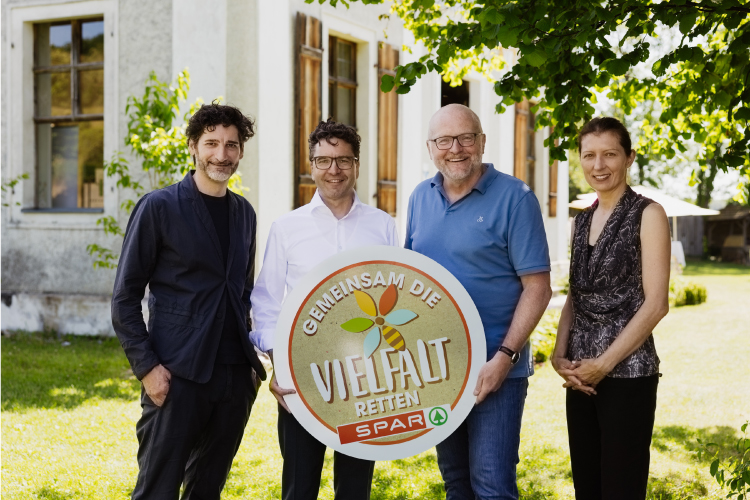
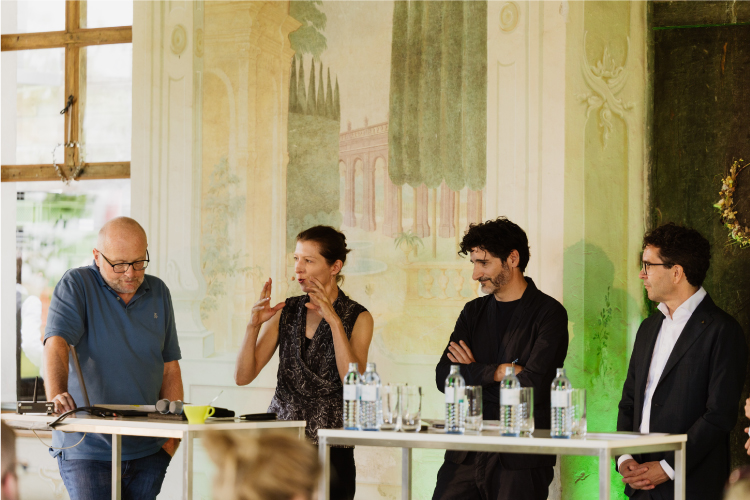
The Biodiversity Summit, organised by SPAR Austria in cooperation with ARCHE NOAH, an Austrian association dedicated to preserving crop diversity, brought together Markus Kaser, Deputy Chairman of the Board of SPAR Austria; Volker Plass, Managing Director of ARCHE NOAH; Michelin-starred chef Paul Ivić; and environmental physician Prof. Dr Daniela Haluza from the Medical University of Vienna in Schiltern, Lower Austria, to discuss how crop diversity can be preserved.
Climate change, global political developments and unstable markets are putting agricultural businesses under pressure, but the discussion also highlighted opportunities for improvement despite these challenges.
Participants agreed that preserving species and crop diversity in agriculture is about more than nature conservation. It supports the economy, encourages innovation and helps ensure a stable, enjoyable food supply. Without crop diversity, there are fewer options to adapt crops to changing environmental conditions or respond flexibly to market demands. For the panellists, this is especially important for Austria as an agricultural market. Protecting agricultural biodiversity safeguards ecosystems while also creating a competitive advantage. Diversity supports agricultural yields, improves the quality of fruit and vegetables, and strengthens regional value creation. Preserving this diversity is therefore key to making agriculture and the food supply more resilient in times of crisis.
“Through regional, national and international partnerships, GMO-free production, high-quality standards and targeted biodiversity measures, SPAR Austria is strengthening the foundation of our food supply. After all, crop diversity is not just a romantic idea, but can also be a tangible competitive advantage,” said Markus Kaser, Deputy Chairman of the Board of SPAR Austria.
Retail as a driving force for biodiversity
Retail plays a key role in supporting agricultural biodiversity. For several years, SPAR Austria has worked closely with producers who are committed to sustainable farming and preserving traditional crop varieties. Examples include the BeeWild programme, created in cooperation with Frutura, which has already established 60 hectares of bee pastures. SPAR Austria has also continued to expand its commitment in the fruit and vegetable sector. Today, more than 30% of SPAR Austria’s range in this segment comes from certified organic farming.
“In the end, it is also a decision about the product range. If we focus only on short-term effects, we lose crop diversity. That is why we choose our suppliers carefully and focus on long-term partnerships. This helps strengthen the stability and availability of our food supply,” emphasised Markus Kaser.
Building stronger awareness of biodiversity
Research has long shown the importance of biodiversity, but public understanding is still limited. Many people recognise biodiversity as an important topic, yet their knowledge of what it actually means often remains superficial. A recent Marketagent survey commissioned by SPAR Austria found that almost half of Austrians (49.5%) consider it important to engage with biodiversity. However, only about one-third of respondents (32.9%) were able to correctly define the term.
“We need to help children build their knowledge of nutrition, their interest in food and their understanding of biodiversity from an early age. This should be firmly embedded in the education system. Children who understand where food comes from, how it is produced and why it matters are more likely to make informed choices later in life. The diversity of nature should not be taken for granted. It is the basis for healthy food, stable ecosystems and a liveable future. That is why we need more practical education on nutrition and the environment, from nursery school through to secondary school,” urged Markus Kaser.
Source: SPAR Austria
Read more news from SPAR Austria.
About SPAR Austria
The origins of the SPAR brand in Austria date back to 1954. The current SPAR AG was created in 1970 when the original founding families joined other regional wholesalers to form SPAR Austria AG, a 100% privately owned Austrian company. Company-owned stores operate throughout the country in the multi-format retail strategy developed since the 1960’s, whilst independent retailers operate under sub-license from SPAR Austria and continue building the brand’s presence.