Continued investment in renewable energy across SPAR country organisations
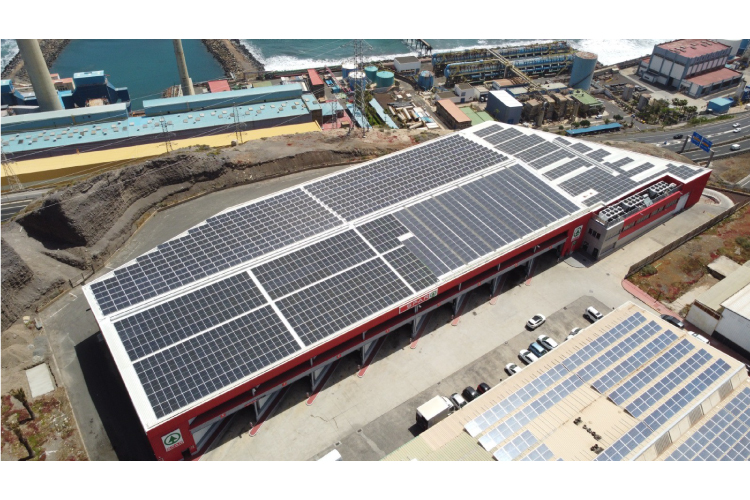
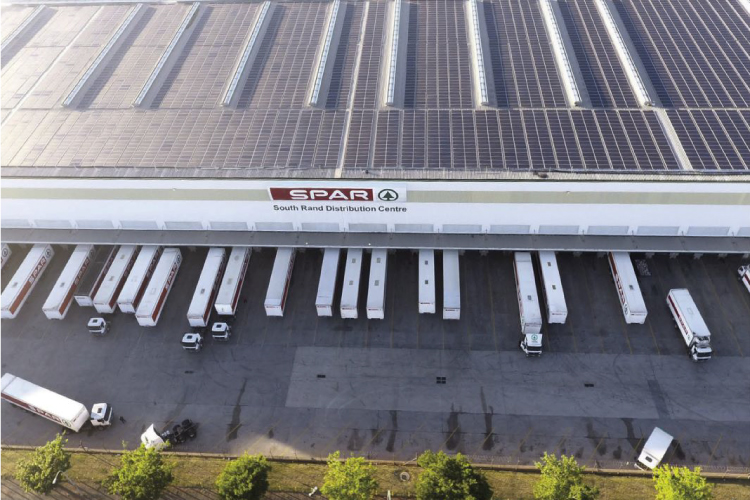
In the retail sector, energy consumption in distribution centres, store heating and lighting, and refrigeration represents not only a significant operating cost but is also a driver of carbon emissions. Increasing geopolitical instability, environmental pressures, and supply chain disruptions heighten business risks, prompting SPAR country organisations to take a more responsible and forward-looking approach. Investing in renewable energy supports greater energy independence while reinforcing SPAR’s leadership in sustainability.
SPAR Gran Canaria increases renewable self-consumption by 80% in 2025
SPAR Gran Canaria concluded 2025 with a significant increase in renewable energy use and overall energy efficiency across its operations. During the year, the organisation generated a total of 586 MWh of photovoltaic (PV) energy through solar PV installations on the roofs of its three logistics centres.
As a result, renewable self-consumption increased by 80% compared to 2024, with self-generated clean energy now accounting for more than 18% of total energy consumption. This marked one of the most significant achievements of the year, demonstrating strong progress towards decarbonisation and improved energy independence.
The higher share of self-generated solar energy helped avoid 420 tonnes of CO₂ emissions annually—equivalent to planting approximately 20,000 trees. This achievement is particularly notable given the increase in the company’s economic and logistical activity over the past year.
Looking ahead, SPAR Gran Canaria remains committed to reaching 20% renewable energy generation for self-consumption in its main distribution centres and to producing a total of 700 MWh of solar energy by 2026.
These achievements and future targets are underpinned by a comprehensive energy efficiency strategy. Key measures include the technological optimisation of lighting, cooling and air conditioning systems; adjustments to operating hours and energy loads; the expansion of photovoltaic generation capacity; and the implementation of continuous energy audits. These audits help assess energy expenditure, identify inefficiencies, and prioritise high-impact investments.
Together, these actions contribute directly to reducing the company’s carbon footprint and support the objectives set out in its Sustainability Plan.
The SPAR Group Ltd’s journey to net zero
Enhancing energy efficiency and strengthening energy independence are also top priorities for SPAR Group Ltd. As energy use is a major contributor to greenhouse gas emissions, the organisation’s ambition to achieve a just transition to net zero emissions by 2050 drives continuous efforts to optimise energy consumption and increase the share of renewable energy.
Within this strategy, SPAR Group Ltd focuses its investments on solar power installations. Currently, seven of its nine distribution centres are equipped with solar PV systems, generating more than 10,000 MWh of solar energy across the group. These installations significantly reduce reliance on the electricity grid and decrease the need for more polluting diesel generators. As a result, diesel usage for generators fell by 37% across the group between 2024 and 2025, highlighting the impact of renewable energy investments.
To further accelerate progress, SPAR Group Ltd continues to maximise renewable energy use while prioritising energy efficiency in both distribution centres and retail stores. At store level, long-term property upgrades, energy-efficient lighting, heating, air conditioning and refrigeration systems are being continuously implemented. In parallel, distribution centres are undergoing upgrades such as the installation of high-efficiency fans, variable speed drives, and optimised temperature and HVAC controls.
These initiatives support one of SPAR Group Ltd’s four strategic priorities through to 2029: enhancing energy efficiency in group-owned assets through the adoption of sustainable technologies and the development of strategic partnerships.
Sources: SPAR Gran Canaria, SPAR South Africa